
 thefridaynews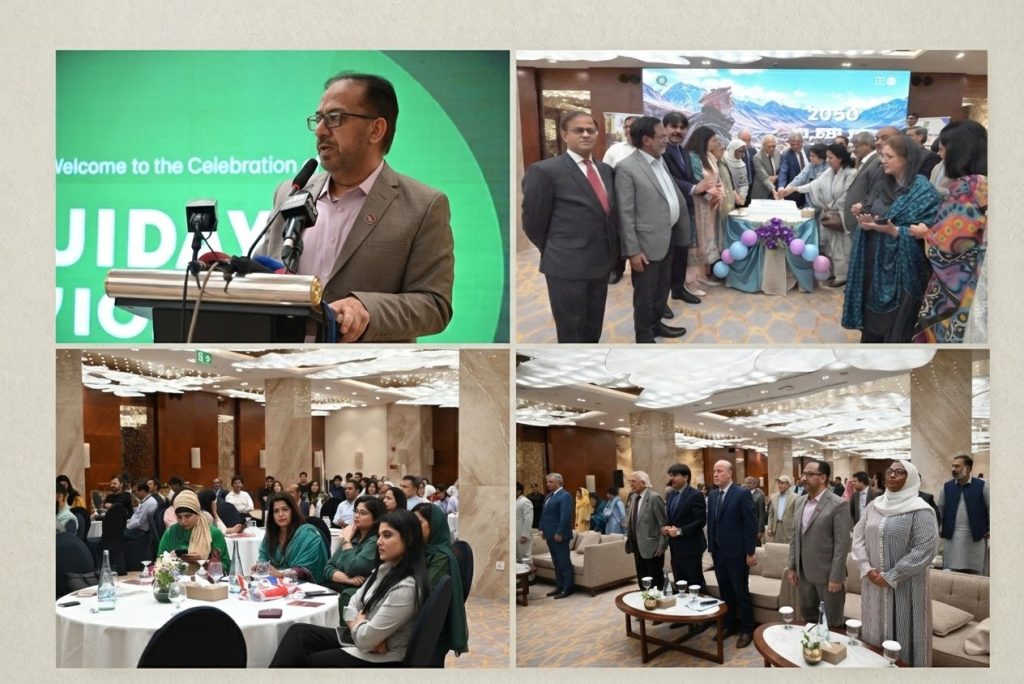
On the occasion of the International Day of Older Persons (IDOP) 2026, the Foundation for Ageing and Inclusive Development (FAID) calls for greater recognition of the opportunities and responsibilities associated with longer lives and for stronger systems that enable people to age with dignity, health, security and inclusion.Observed each year on 1 October, the International Day of Older Persons provides an opportunity to reflect on the rights, contributions and needs of older people and to strengthen commitments towards an inclusive society across the life course. The theme for 2026, “The Age of Longevity: Rethinking Systems for Longer Lives,” highlights the need to adapt health, social protection, economic and community systems to changing demographic realities.Pakistan is experiencing a significant increase in its older population. According to the Pakistan Bureau of Statistics, more than 13.5 million people aged 60 years and above were recorded in the 2023 Census, representing around 5.6 percent of the population. This demographic change requires ageing to be addressed as a development, human rights and social policy priority rather than as a standalone welfare concern.Syed Moeez ud Din Kakakhel (CEO FAID) emphasizes that longer lives should be supported by systems that enable people to remain healthy, financially secure, socially connected and able to participate in their families and communities. This requires stronger access to age-responsive health services, social protection, income security, accessible environments and opportunities for meaningful participation.“The increasing number of older people is an important reflection of social and development progress, but it also requires us to rethink how our systems respond to longer lives,” Syed Moeez. “Ageing must be integrated into policies and programmes across health, social protection, economic security, climate resilience and other areas of development.”FAID particularly highlights the situation of older women, who may face intersecting disadvantages related to income security, access to healthcare, unpaid care responsibilities, decision-making and social protection. Policies and programmes therefore need to incorporate gender-responsive and life-course approaches to ensure that longer lives are accompanied by greater security and dignity.The organisation also stresses the importance of strengthening primary healthcare and community-based approaches that can respond to the changing health needs of older people. Age-responsive health systems can help identify functional needs earlier, support prevention and maintain people’s ability to participate in their families and communities.Social protection and economic security are equally important. With many people working in informal employment and without adequate contributory pensions, extending social protection coverage and strengthening income security for older people remain important policy considerations. Particular attention is needed for older women, caregivers and people living in vulnerable circumstances.FAID further calls for the meaningful participation of older people in policy development and decision-making. Their lived experience and knowledge should inform policies that affect their lives, including those related to health, social protection, climate change, disaster preparedness and community development.On this International Day of Older Persons, FAID reaffirms its commitment to working with government, civil society, development partners, older people’s networks and communities to promote an inclusive approach to ageing and to support the implementation of policies that uphold the rights and dignity of older people.