

 thefridaynews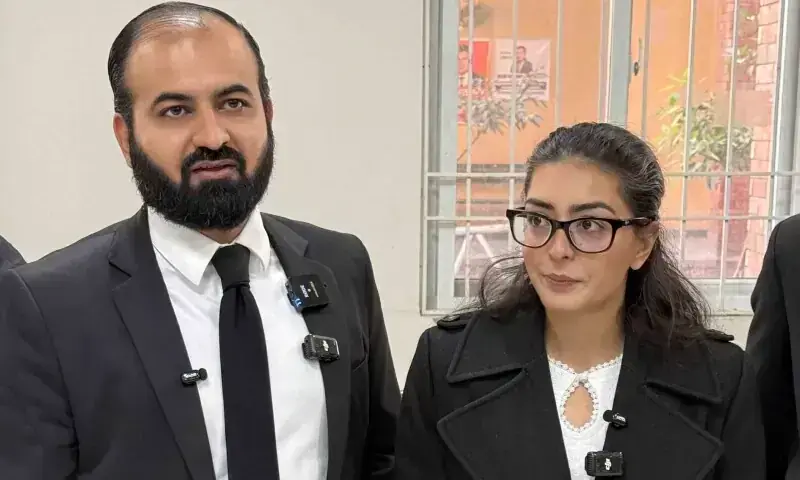
United Nations human rights experts have condemned the convictions of Imaan and Hadi, warning that the cases represent a dangerous conflation of peaceful expression with criminal conduct.
In a statement, the UN experts said that exercising the right to freedom of expression is protected under international human rights law and should never be treated as a criminal act. They stressed that criticism, dissenting opinions, and non-violent expression — even when controversial — are fundamental rights that states are obligated to uphold.
The experts expressed concern that the convictions appear to stem from the individuals’ expression of views rather than any recognizable criminal behavior. They cautioned that such actions risk creating a chilling effect, discouraging journalists, activists, and ordinary citizens from speaking openly out of fear of prosecution.
“Criminalizing expression undermines democratic principles and the rule of law,” the experts said, urging authorities to review the convictions and ensure compliance with international human rights standards, including protections enshrined in the International Covenant on Civil and Political Rights.
The statement also called on governments to refrain from using broadly defined laws — such as those related to national security, public order, or morality — to silence peaceful expression. According to the experts, vague legal provisions are frequently misused to suppress dissent and target individuals for their opinions.
UN special procedures mandate holders regularly monitor and report on human rights concerns worldwide, and their interventions, while not legally binding, carry significant moral and diplomatic weight.
The experts urged authorities to take immediate steps to safeguard freedom of expression and to ensure that no one is punished simply for exercising their fundamental rights.